
Is Egypt Safe to Travel to in 2026?
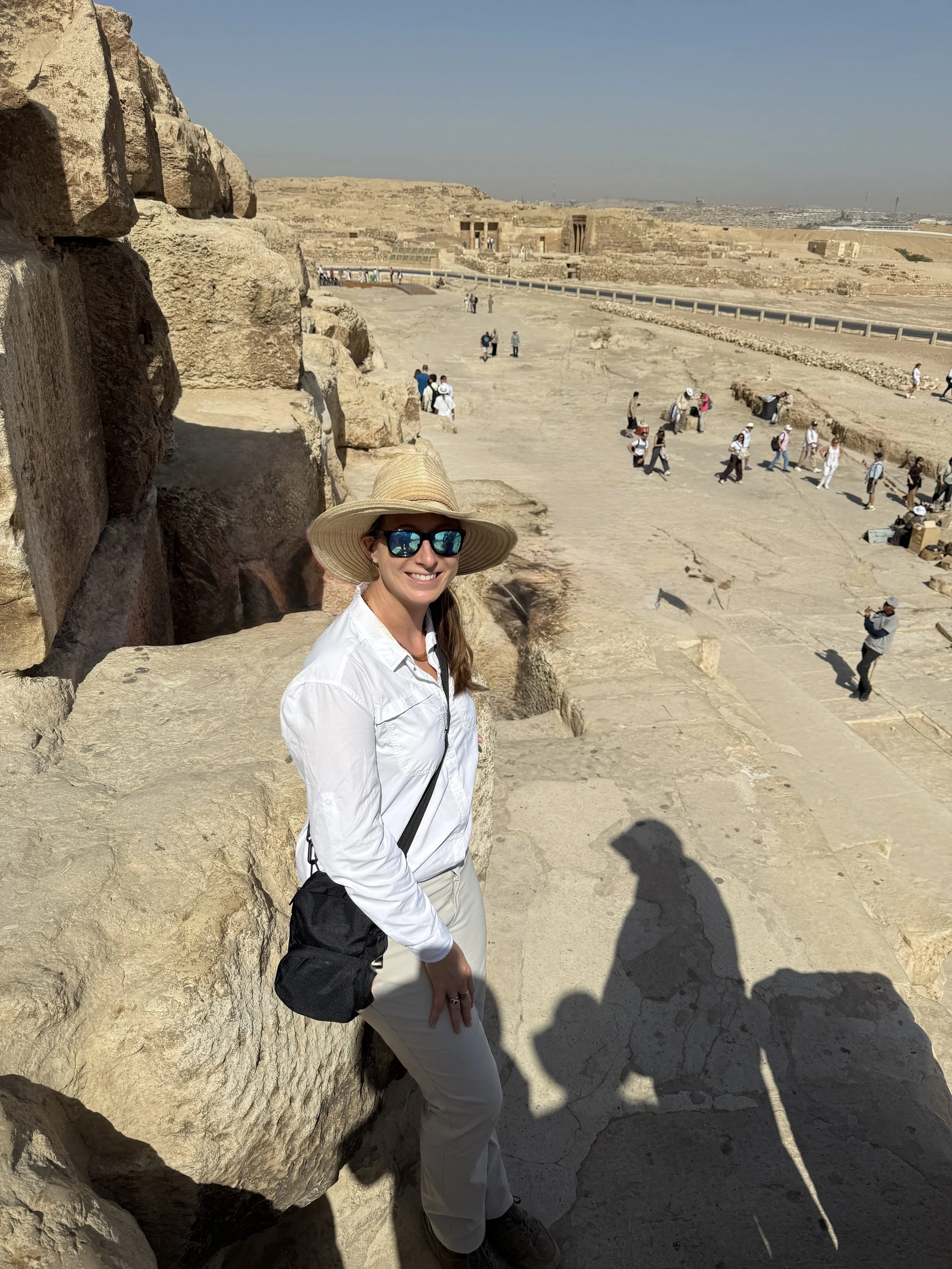
Is it safe to travel to Egypt right now? Short answer: Yes. After living in Egypt for 5 years, here are some things you need to know about security in Egypt.
In March 2026, a single post on X caused many tour companies to panic and pull clients from Egypt. Two weeks later, they were back on the Nile. How does the Iran War affect travel to Egypt in 2026?
Why do people think it isn’t safe?
Egypt’s tourism has always suffered when American media mentions the Middle East. In March 2026, I was on tour with my Journey Down the Nile: Ramadan Magic trip. We were enjoying an evening on the Nile and the next morning, my guests woke up to panicked texts and phone calls from loved ones informing them of the post from an employee at the US Department of State saying Americans should leave now with a list of countries, one of which was Egypt. Understandably, their families were worried about their safety. I saw the post and cross-checked it with both the State Department’s Travel website and the US Embassy in Egypt. Both banners on the websites affirmed what I knew: Egypt was at “Level 2: Exercise Increased Caution” and there had been no updates to it. Areas of the Sinai Peninsula have long been at Level 4, but all of the tourist areas were normal.
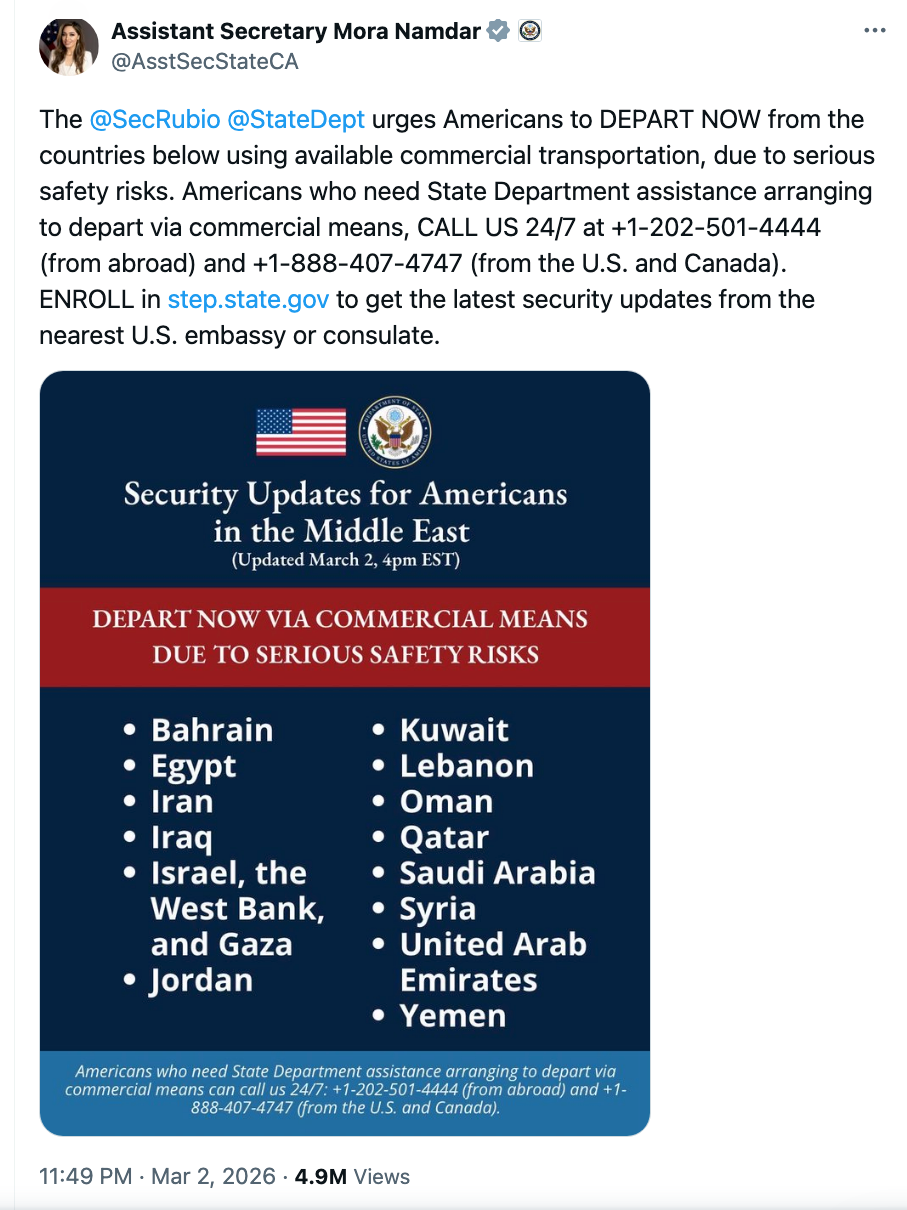
This post from March 2, 2026 tagged the US State Department, but was not sent from the official State Department website or X (formerly Twitter) account.
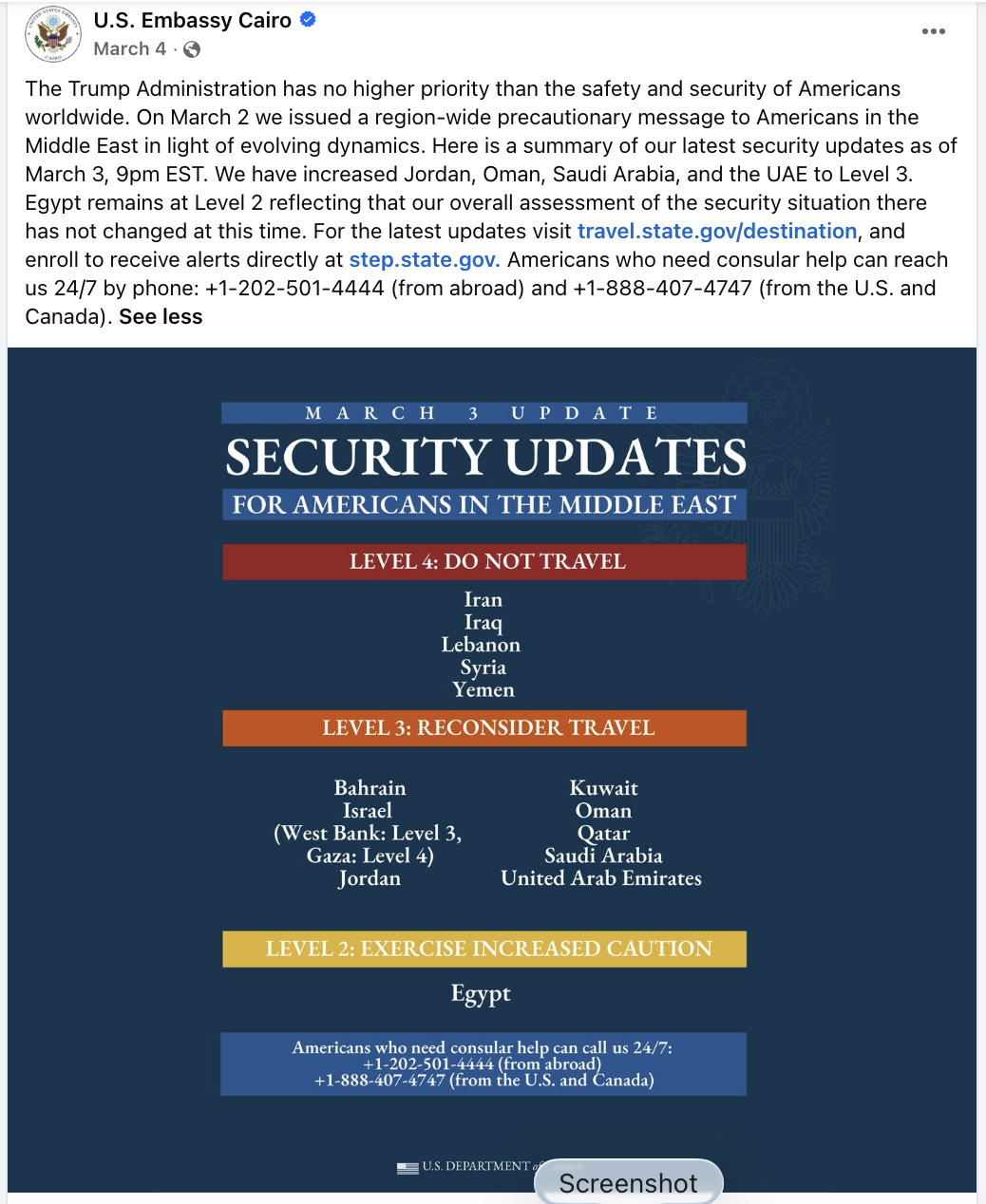
The US Embassy in Cairo’s official announcement on March 4, 2026 indicating that Egypt remained at Security Level 2.
So what does Level 2 mean?
Level 2 is usually accompanied by the phrase “exercise increased caution.” It is the same level as Spain, France, and Italy; all of them have this warning. The State Department reiterates a friendly reminder to stay alert, enroll in the STEP program, and be aware of your surroundings. This can also be interpreted as using common sense. Big tour companies and Egypt-based US companies panicked and suspended all Egypt activity due to an X (formerly Twitter)-post without double checking with the US embassy. Less than 72 hours later, Egypt was removed from the list and an email from the US Embassy was sent out telling citizens that Egypt was still at Level 2; yet, the damage was done and many travelers cancelled their plans for no reason.
I see video online about harassment and feeling unsafe in Egypt. What’s that all about?
I hate to tell you, but this is a click-bait driven post typically by a tourist who arrived without having researched well or clearly had no cultural context. Egypt can be intense and yes, there are places you shouldn’t go – just like in America or Canada, there are places in cities you wouldn’t/shouldn’t go due to personal safety concerns. By traveling with a group, getting advice from an experienced traveler or travel agent, or researching beforehand, you can easily avoid unsafe areas, harassment, and feel more confident moving within Egypt.
Many Western travelers are usually unsettled by all the security in the tourist areas. This is understandable. Let me explain:
1- The suited man with the group
The Egyptian government assigns a security officer to bigger tour groups (National Geographic, Tauck, Viking-to name a few) of usually more than 20 people. This doesn’t happen with every big group, but it is done at random by the government. A suited man with a machine gun holstered in his suit jacket accompanies the groups to big sites like the Giza Pyramid Complex, the Grand Egyptian Museum, and the Cairo Citadel. Most good tour leaders and guides address this on the first day, but the sight of it can still unsettle guests. Think of them as an additional set of helping hands in making sure the people on the trip with you find their way back to the buses, aren’t over harassed by vendors, and are an extra set of eyes looking for anything out of the ordinary. If you aren’t in a larger-name, branded tour, chances are you probably won’t encounter these guys.
2 – All the police checkpoints.
All along the roads to major sites, across bridges, and at every major tourist site there is a police presence. These are typically local police on the roads, and tourist police at the sites. These officers are taking down the details of the drivers and guides you are with, in addition to how many tourists there are and where they are from. Most of this is for record keeping, but also to follow up with any tourist agencies in case any incidents were to happen.
3 – All the metal detectors and x-ray machines.
During the Arab Spring in 2011, there was martial law and a lot of the targets were tourism spots or places Westerners frequented, such as restaurants, museums, historic sites, and bars. These are still in use today, though some are more vigilant than others (some are now just for show). While this isn’t full on airport security, it can be a bit tedious. However, the security of the tourism industry is of utmost importance to Egypt since it represents 10-12% of its GDP. Egypt hasn’t had a tourist targeted terror attack (say that five times fast) since 2015, and that is partially due to its stability under the current regime and economic growth post-COVID.
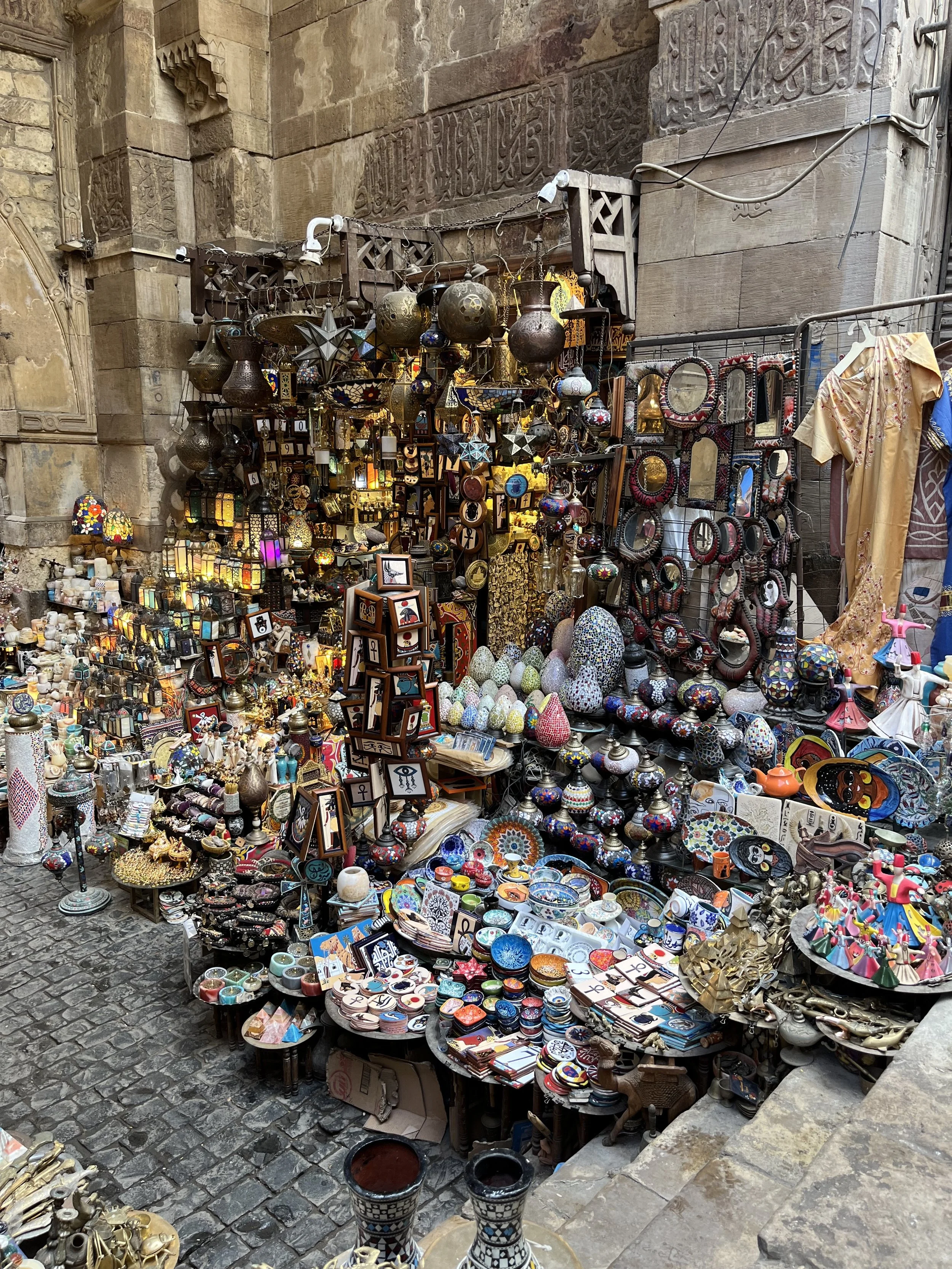
One of the most notorious places for enthusiastic vendors in Khan Al-Khalili.
What about harassment by vendors or sexual harassment by men?
Unfortunately, Egypt has a reputation for aggressive salespeople and many of them over the years have not gotten the message that if you let people relax, they might buy more. Westerners are also not used to bargaining for things so this can feel unsettling as Egyptian merchants want to make a sale and can follow you if you looked at or spoke about something in a shop that you liked. Other people might claim to know you or call you their “friend” to entice you to come into their shop. Most of us raised to be polite have a hard time saying no, ignoring or walking away, but walk away you must if you feel uncomfortable. Do not feel pressured to buy and if you are, you tell the person that you will call the tourist police. One of my favorite times to avoid harassers at the Pyramids is during Ramadan, because usually the vendors don’t have enough energy to keep pursuing you.
Sexual harassment is still problematic in many places outside the main tourist areas. This can range from looks, unwanted conversations and advances, to being followed or to being touched. In recent years, Egyptian police have taken this much more seriously. If the person has not engaged with you, ignore them and remove yourself from the situation. If you have been followed, touched, or worse, tell them emphatically to stop and approach someone local for help: go inside a shop or cafe, talk to an building guardian, or call a taxi. Even if they don’t speak English, you will have the ability to get away from the harasser and have a witness. The key is to report the incident and try to get a photo of the person harassing you. Contact your embassy for assistance.
The tourism police have a hotline (dial 126 on an Egyptian phone number for tourism-related issues). Utilize this phone number for reporting scams or harassment, recovering lost or stolen passports, navigating disputes with vendors or taxi drivers, and offering guidance in English-speaking support.
As always, it pays to follow the Scout motto “Be Prepared.” Make sure you read my tips and tricks for traveling in Egypt and the travel brochure’s pre-departure instructions so you can travel without worry or anxiety.
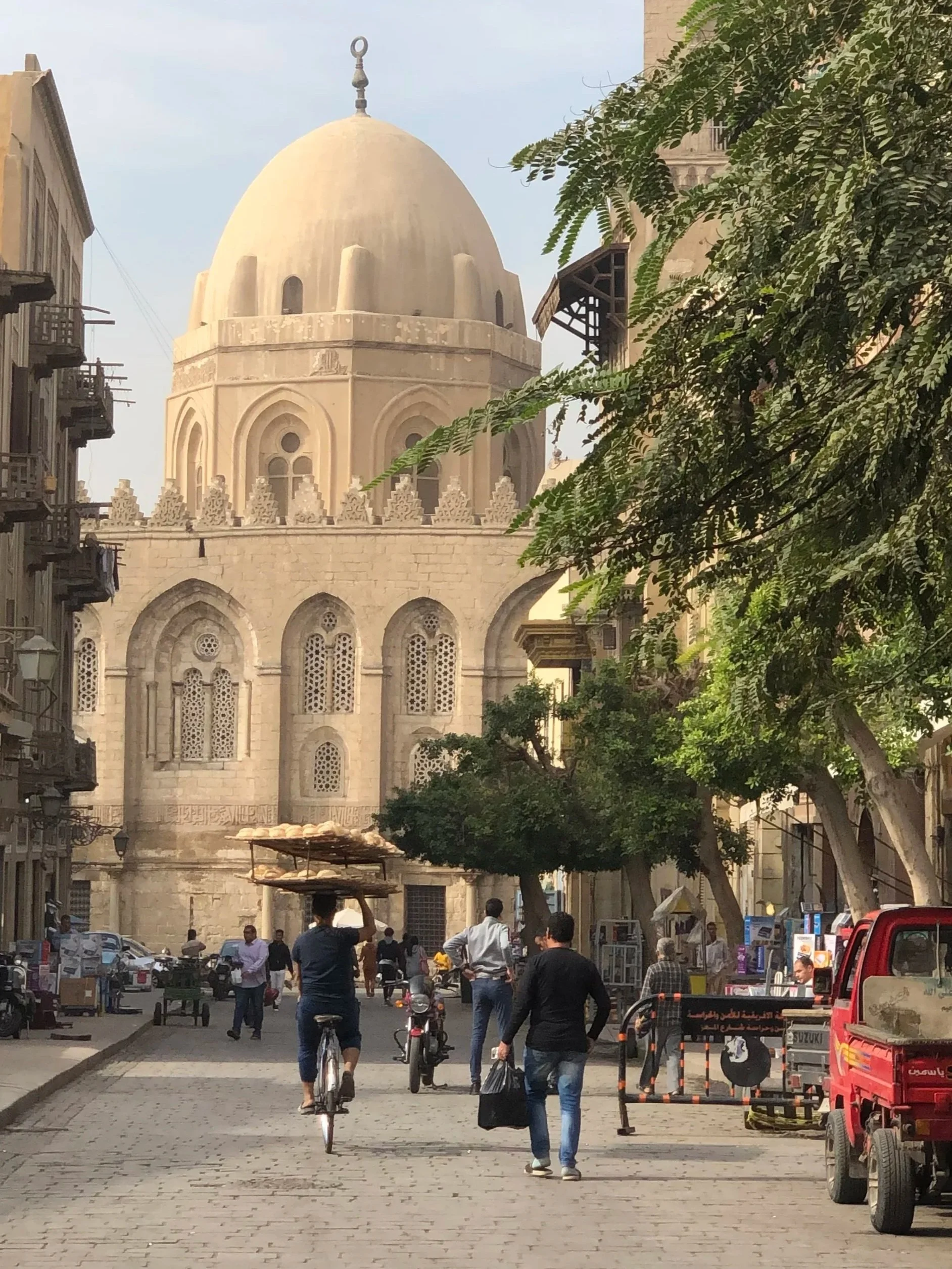
The big streets of Islamic Cairo can be fun to roam when you feel more secure about your security.
Egypt can be chaotic, loud, and overwhelming, but it is also warm (literally and figuratively), exciting, and a feast for the senses. Yet, click-bait headlines don’t give you the full picture
If you have been wanting to visit Egypt and aren’t sure which is the best way, get in touch through our contact page or check out our upcoming Egypt tours page with WanderinGwyneth.
** This blog post was written by Gwyneth Talley and did not use any AI writing assistance.